The People Who Make The Club
No 4: Andy Lock, Men’s Section
Years with Blackheath: Over 20
There are many ways that people come to Blackheath FC. For Andy Lock, it was by throwing a couple of drinkers on to the street at closing time when he was working at the Gypsy Moth pub in Greenwich. As he encouraged them to leave, one asked this 6ft 7½in spoilsport: “Have you ever played rugby?”
Lock had been in the Northampton academy and played for the university first XV at Bristol alongside Dave Attwood, who would win 24 caps for England – “a big strong boy, the best lineout lifter I ever had” – so, yes, he was a decent player in his youth, but after a spate of injuries he had drifted out of the game.
One of those customers was Ollie Brewer, who still plays for Blackheath vets, and Lock was invited by him to join the social squad at Rectory Field. Although a dislocated shoulder hampered him for a few seasons, it didn’t affect his drinking and he found he enjoyed the camaraderie on and off the field.
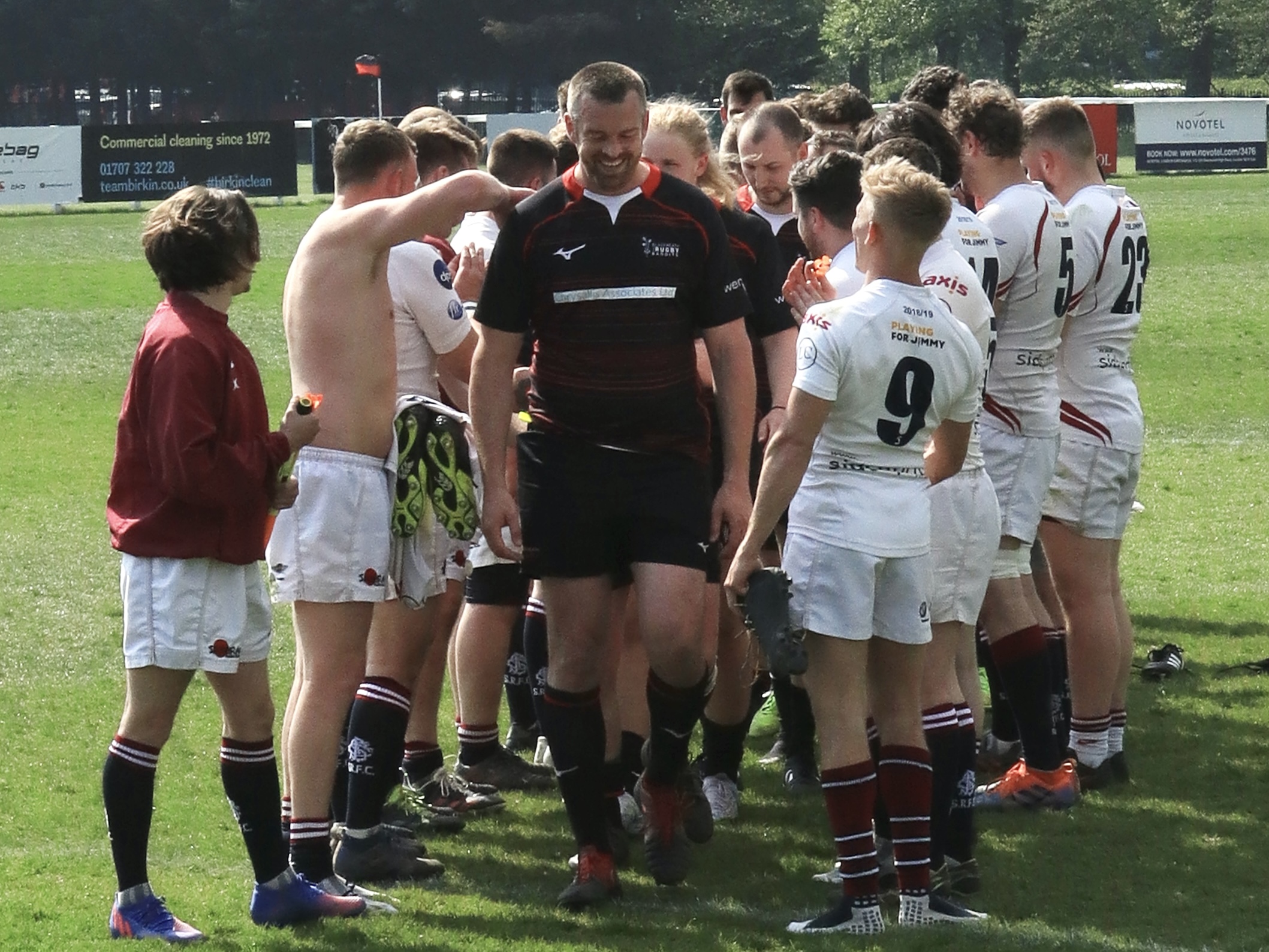
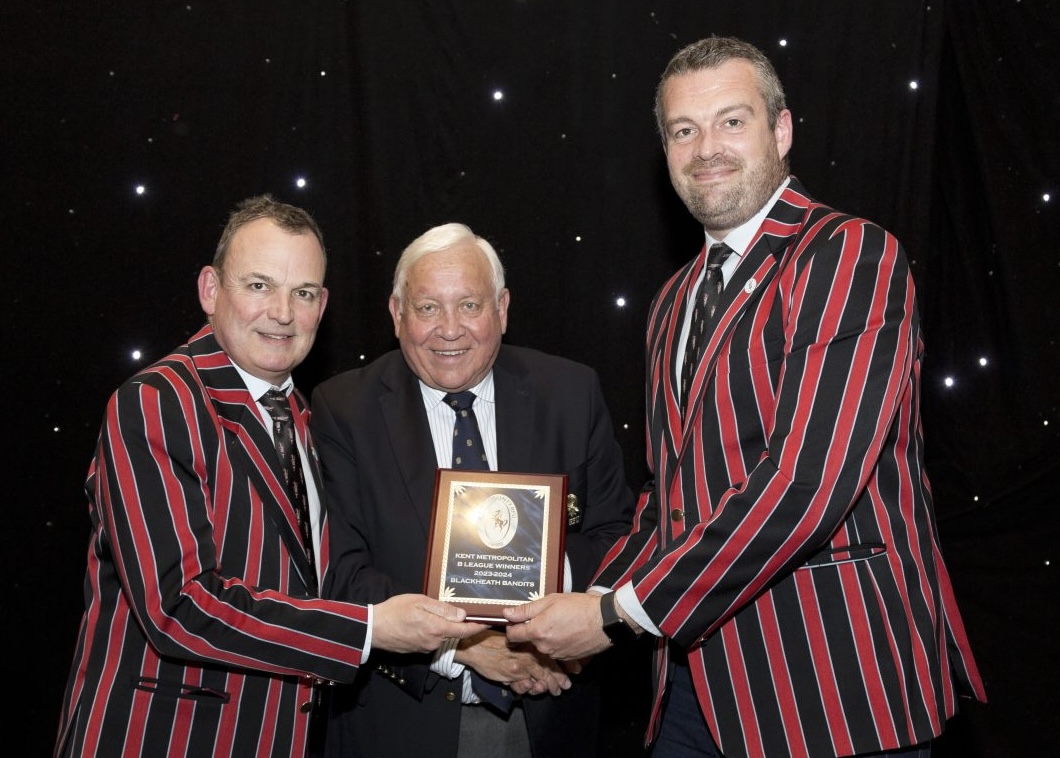
That was at the start of the 2008 season. Eighteen years on, Lock still turns out for the men’s section, throwing himself into harm’s way as the fresh scar on his forehead from last week’s 19-12 win over Greenwich attests. That was the fourth win out of five for the fourth XV (known as the Bandits) in Kent Metropolitan A, a record matched in Kent 4 by the thirds (the Brigands), for whom he also plays if needed. At 42, he is the greybeard they all look up to in more ways than one.
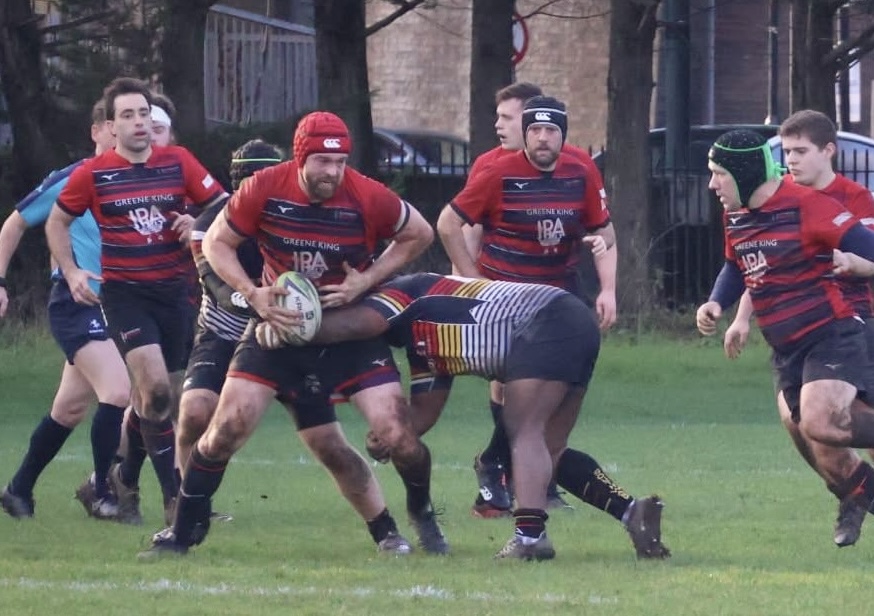
“We’ve got a good mix of the pretty young and the pretty old,” he says. “Our loose-head on Saturday is doing super-vets but we’re also waiting for some of the Colts to turn 18 so they can be eligible. In all, we have a squad of about 60, which should be enough to support two teams comfortably but, as always, it’s positional. There’s a front row shortage in particular.”
That has led the squad to run crash courses in propping for those of a certain stature. “I’m not a front row build by any means,” Lock says. “But I’m extremely heavy, so I did three scrums at loose-head last Saturday while our prop was getting treatment.”
Lock’s the name, though, and lock is where he prefers to play, the most aptly named Blackheath player (unless there was a Bob Blindside-Flanker) since Reginald Hands, who played international cricket and rugby and died on the Western Front in 1918. It was Hands’s father who instituted the first two minutes’ silence in his memory.
I put that historical nugget in especially for Lock, who is a First World War historian with a PhD in the tactical development of the infantry after the Battle of the Somme. He is co-editing a book on Earl Haig, commander of the British Expeditionary Force, and leads walking tours around military sites and museums.
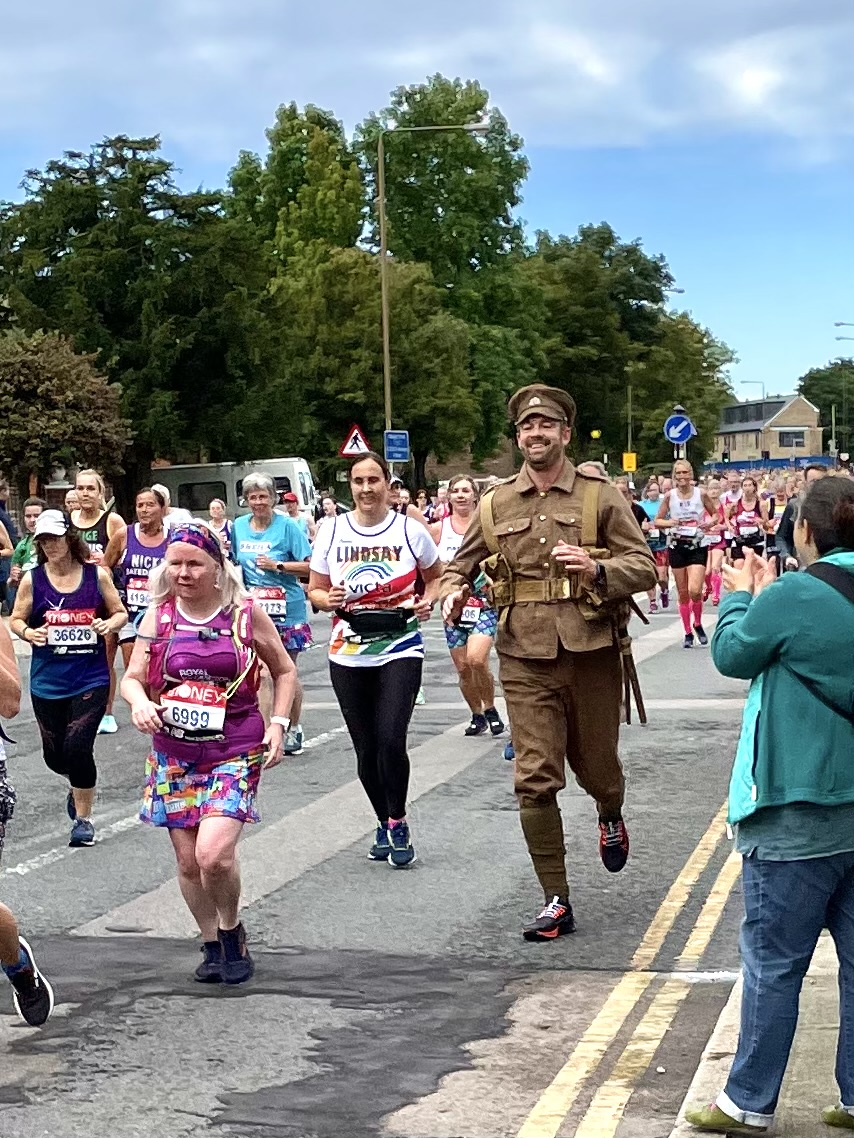
Lock’s knowledge and enthusiasm is often put to good use on end-of-season tours, where he will throw in a cultural excursion. “We went to Brussels a couple of years ago and visited Waterloo,” he says. “Which also happens to have a brewery.” After last year’s successful trip to San Sebastian, they will go to Athens next May.
He has enjoyed some big wins in recent years but his favourite memory was a tight match against Old Colfeians on a muddy bog. “It was the depths of February, there had been three months of rain and conditions were bleak,” he says. “I was captain and laid it on the line, telling the team in no circumstances to throw stupid passes. We were keeping it up the jumper, playing really, really sensibly.”
Then the ball squirted out of a ruck into Lock’s hands and with the defence charging up he suddenly saw his wing isolated. “Without thinking, I threw a long pass behind my back to Johnny, who scored,” Lock says. “Everyone was looking at me, thinking ‘That’s not what you told us to do…’ but it was the winning score.”
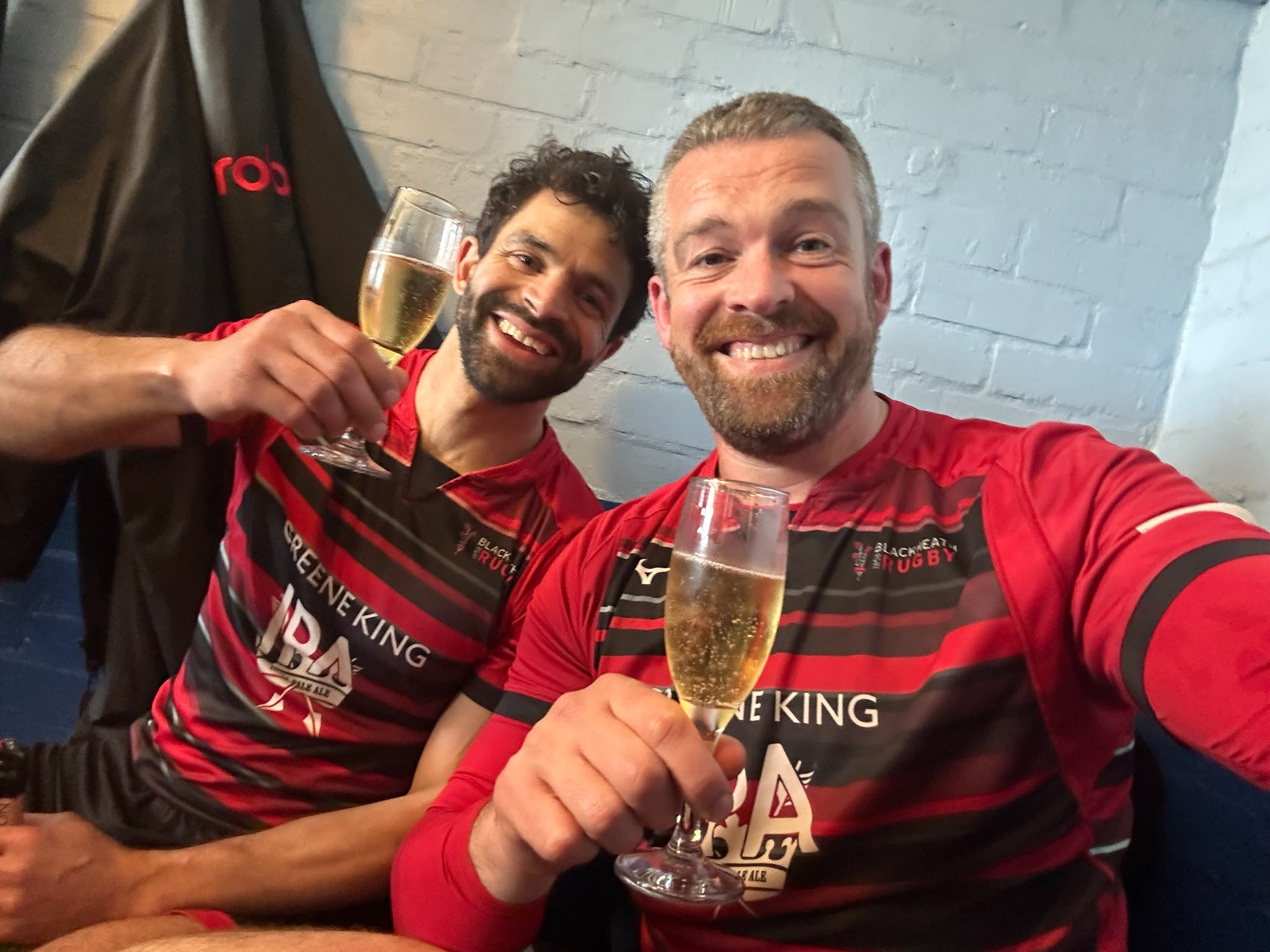
His greatest satisfaction, however, is not personal achievement but the current state of the squad. A decade ago, the third XV had folded because of a lack of numbers and the Bandits, playing at Well Hall while the top two sides were at Rectory Field, felt cut off. There was a worry that even putting out one social team would be hard. Now they have recruits galore – though always welcome more.
“To go from only having five or so lads turning out to training to being able to fill two competitive sides gives me great pride,” Lock says. As a military scholar, he knows that you judge an army not on its easy wins but how it recovers in adversity.
LATEST NEWS