
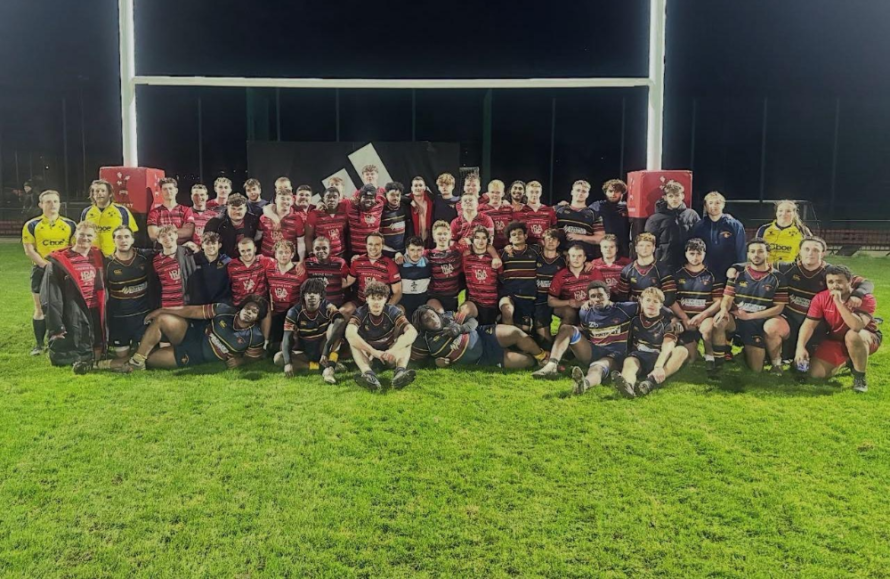
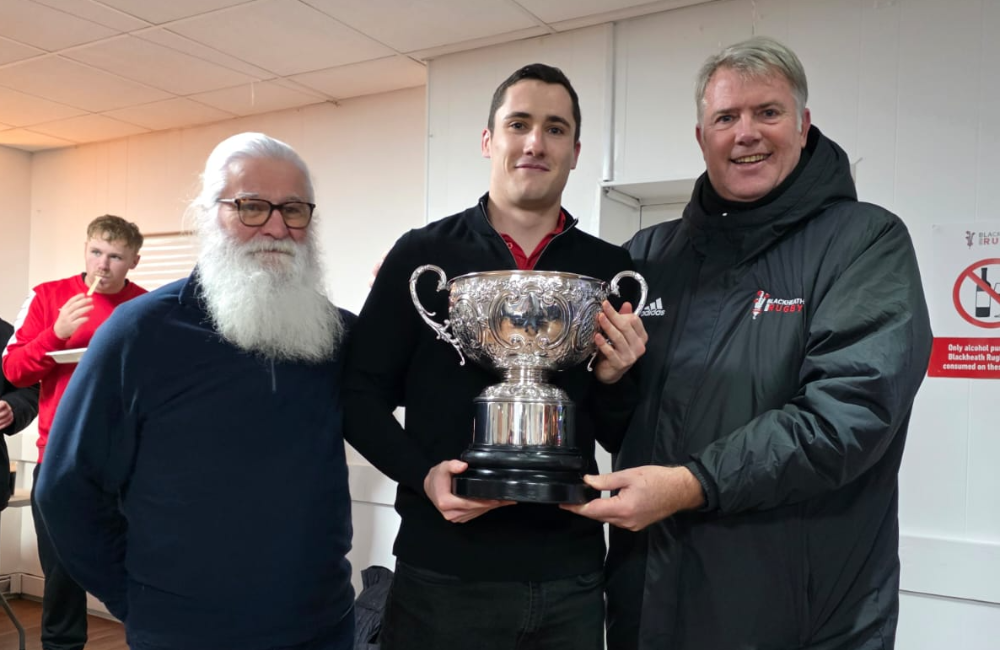
On 30 December Blackheath U23’s took on Old Colfeians for the Anthony Fitzgerald Cup. The match was about more than a trophy though; this annual game marks both the remembrance of a much-loved Club member and a remarkable project to reduce the risk of heart disease in young people.
It’s nearly ten years since Anthony Fitzgerald died. He was 18 years old. Anthony was Blackheath Rugby through and through; he started in the Mini’s, where he was coached by his dad Noel, and progressed through to the senior team. He was young, fit – and he had a heart condition that nobody knew about.
After Anthony passed, his family wanted to do something that would save other families from going through the same heartache. In particular they wanted to call attention to the value of early detection for potential heart issues. Noel approached the charity CRY, which stands for Cardiac Risk in the Young. His idea was to play an annual match in memory of Anthony, with the proceeds going to finance cardiac testing in young people.
For the first couple of years the game was played between Anthony’s former team-mates and a Dartford XV; but as happens with young players, over the years some left the area and others gave up the game; so six years ago the organisers talked to Steve Edwards, our contact at Old Colfeians. The proposal was for an annual, Christmas fixture. To reflect the target audience for CRY, the game would be played between U23 teams. Colfeians were only too happy to sign up.
Since the Cup game was launched, over 2,400 young people have been tested for potential heart disease, including Club players. A number of tests have led to further investigation or treatment and one saw the individual sent straight to A&E! The 2025 game on its own raised £1200 for CRY, plus a £300 donation from the Blackheath Former Players’ Fund (who also, generously put £300 behind the bar!)
Next year’s Anthony Fitzgerald Cup will be the tenth anniversary edition and the team behind the fixture are planning to make it special. Out of the tragedy of ten years ago, the Cup has helped save young lives and long may it continue to do so.
LATEST NEWS